Arriving in Poland, we took a taxi to the hotel, the Moxy, which was just a head-clearing walk from the University, a site dominated by 19th century brick buildings including the old calvary barracks.
We were treated as honored guests by the organizer, Prof. Barbara Braid, and her colleagues. (For the full list of organizers, see the conference website, “Elizabeth von Arnim in Pomerania 2026.”) Von Arnim would have been proud of the old-world grace of the conference sponsors.
At the English-language session, Barbara Braid spoke on Vera and the Gothic; I on cultural baggage in The Adventures of Elizabeth in Rügen; my husband Richard Cappuccio on Katherine Mansfield’s affinity with German Garden; Krzyszt Fordonski on Forster’s ambivalent friendship with von Arnim; Magdalena Skrzyńska on liminality in von Arnim’s work; and Beata Zawadka on the relevance of modern psychological theory. Auditors asked good questions and left us feeling that we had overcome a potential language barrier.
A highlight for all of us were the keynote talks answering the question “Does Place Matter When It Comes to Elizabeth von Arnim?” by Noreen O’Connor and Jennifer Shepherd. The speakers broke new ground as they explored von Arnim’s literary companionship with Thoreau and Whitman.
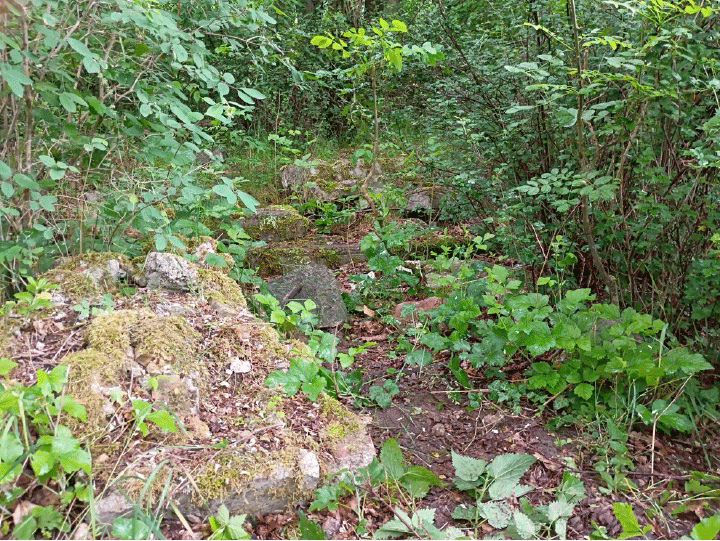
The excursion to Rzędziny, led by Bartosz Wójcik on the following day, brought us to the site of Nassenheide. It was thrilling to stand on the two steps of the bombed and later scavenged remains of the schloss, and to feel admiration for the courage of the beleaguered von Arnim who lost so many homes. There was the added irony of a WW2 British bomber having dropped its load on the site. Out buildings still stand and give a sense of the orientation and size of the place.
We stopped at the Church where the von Arnim family worshipped and sometimes disparaged the preaching of the minister. We sat on the balcony where they listened to sermons and, when necessary, retreated to a room behind. Our guide was expert on the history of the still-active church (now Roman Catholic) and showed us photos of the interior of von Arnim’s day.
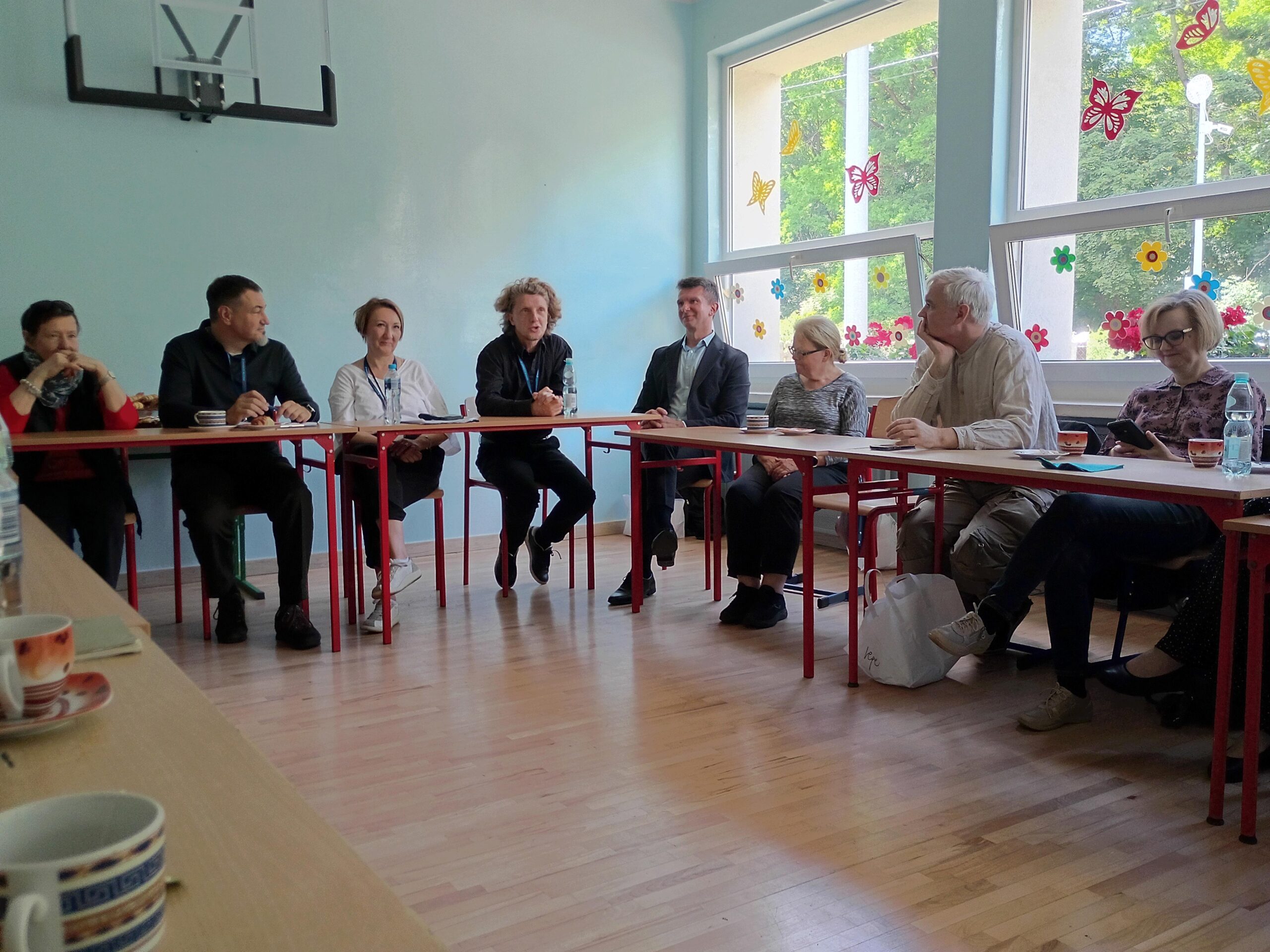
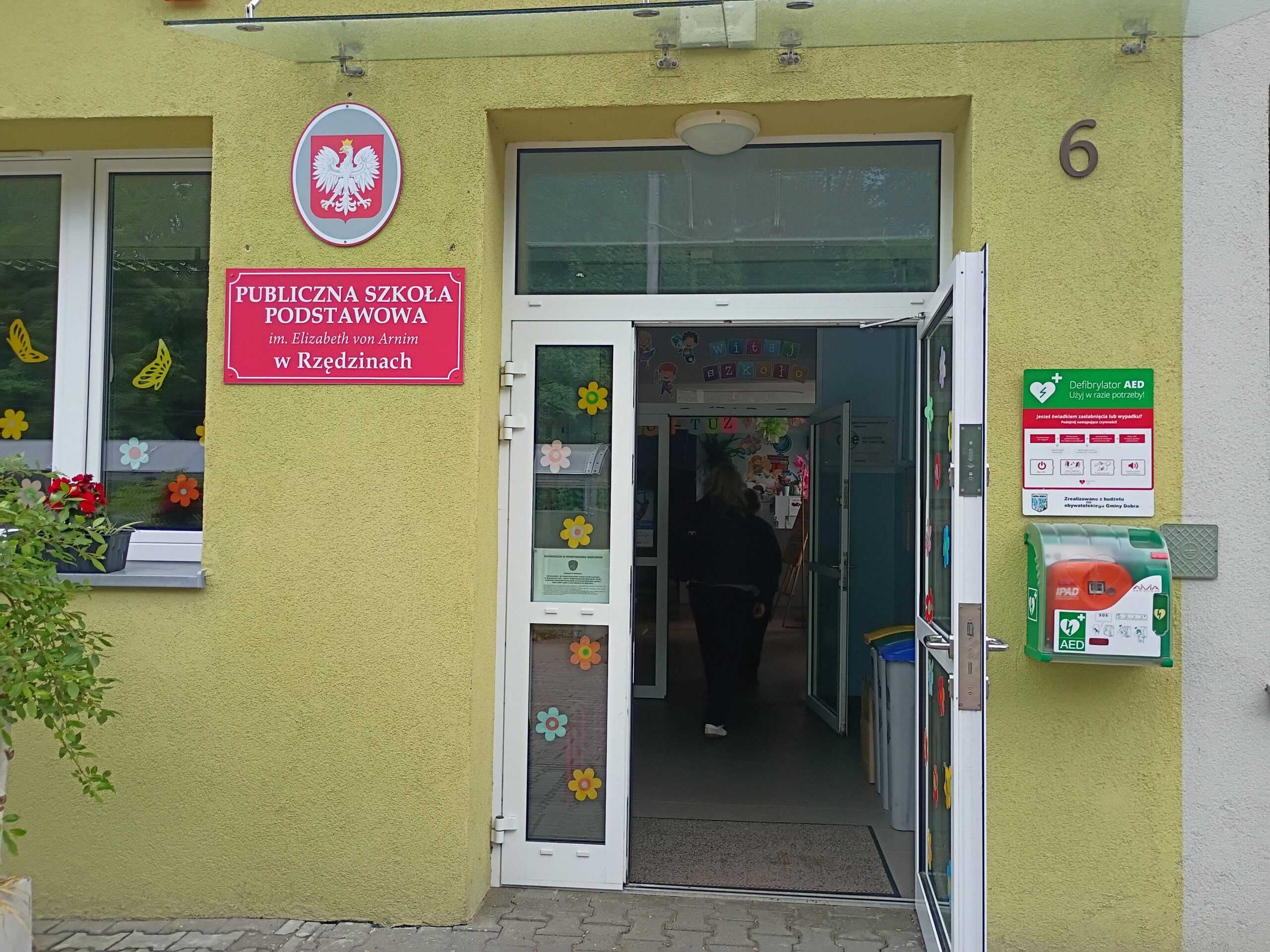
The elementary school named after Elizabeth von Arnim hosted our lunch and panel discussion including the Polish translator of von Arnim’s work. She spoke about her ongoing project of translation, and Prof. Braid provided a simultaneous translation of the speakers. The Head and his wife and several teachers were proud to display a handsome embroidered banner that shows the origin of their school’s name.
A site that affected us powerfully was the old bank, probably the one where Henning was a director and was falsely accused, leading to his imprisonment in the city then called by its German name, Stettin. The bank was next to an amazing restaurant, specializing in goose, where we enjoyed a delicious final conference dinner. Many thanks to our amazing hosts!
